

If you've had a caesarean before and are now exploring your options for next time.. You’re not alone, and the odds may be more in your favour than you’ve been led to believe.
In Australia, only around 11% of women who’ve had a previous caesarean go on to have a vaginal birth after caesarean (VBAC), even though research consistently shows that VBAC is a safe and reasonable option for most.
So why are rates still so low?
National guidelines support VBAC, yet many women face barriers like outdated hospital policies, limited access to supportive care providers, and a lack of clear, evidence-based information. These systemic challenges leave too many people without the support they need to confidently plan for a vaginal birth after caesarean.
As a doula and VBAC mum, I know that preparing for a VBAC feels like a big decision that takes informed planning, a supportive team, and clarity about all your options. This post highlights common challenges, risks and benefits, evidence-based resources and practical tips to help you prepare with confidence.
Common Challenges When Planning a VBAC
Navigating restrictive hospital policies
Rigid protocols that are presented as ‘mandatory’ often favour repeat caesareans and apply strict criteria for those planning a VBAC. This reduces the chance of a successful VBAC and makes it more difficult for women to advocate for themselves.
Finding a supportive care provider
Some hospitals and providers (particularly in private settings) may discourage or outright deny someone’s decision to have a VBAC. Even in midwifery or continuity-of-care models, women are often excluded due to being labelled “high risk.”
Information overload, contradictory messages, and coercion
It can be difficult to separate evidence-based guidance from opinion. This confusion can leave women unsure where to start or how to make informed decisions about providers, birth planning, and interventions. In some cases, it also opens the door to subtle or overt coercion that undermines genuine informed consent.
Fear, anxiety, and mental load
Worries about complications, fears of ‘failing,’ and self-doubt can be overwhelming. The ongoing need to advocate for yourself, explain your decisions, and navigate resistance from providers adds a significant emotional and mental load that many aren’t prepared for.
Benefits of VBAC
Shorter recovery / less invasive
Vaginal birth typically means less pain, faster recovery, and lower risk of complications like infection, haemorrhage, and organ injury.
More options in future births
Successful VBAC increases the likelihood of vaginal birth in future pregnancies and reduces the risks associated with multiple repeat surgeries (e.g. placenta accreta, adhesions, hysterectomy).
Better outcomes for babies
Vaginal birth is linked to fewer respiratory complications and better breastfeeding outcomes in newborns.
Reduced surgical risks
Avoiding repeat caesarean lowers risks of surgical complications like anaesthesia reactions, bladder injury or injury to baby, infection, and longer hospital stays.
Psychological benefits
Many parents report greater satisfaction, emotional healing, and a sense of empowerment after a supported and informed VBAC experience.
Risks of VBAC
Uterine rupture
This is the most discussed risk associated with VBAC. In women with one previous lower-segment caesarean, rupture occurs in less than 1% of VBAC labours. Of those who experience a uterine rupture, the associated risks may include:
Maternal risks: hemorrhage, sepsis, hysterectomy
Neonatal risks: hypoxia, neurological injury, and in rare cases, stillbirth or neonatal death
Emergency caesarean
Some VBAC labours end in an unplanned caesarean, which may carry slightly higher risks than a planned elective procedure, especially if urgent intervention is needed.
Pelvic floor and perineal trauma
Like all vaginal births, VBAC carries a risk of perineal tears and pelvic floor damage, which can affect continence and pelvic organ support
Tips for Preparing for a VBAC
Choose a supportive provider
Research shows continuity of care models with midwives increases the chance of spontaneous vaginal birth and leads to better experiences for women planning a VBAC.
Continuity of care options include hiring a private midwife, or being cared for by an allocated midwife/small team of midwives in a public hospital (known as caseload or Midwifery Group Practice (MGP) models).
If you choose to work with a private Obstetrician, or are placed under obstetric care in a public hospital - get familiar with your OB/hospital’s VBAC policies (especially regarding monitoring, labour progress, augmentation/induction, and postdates), and decide if this aligns with your birth plans.
Gauge how supportive they are of your VBAC plans by asking them:
how they will support you to make informed decisions
what their ‘non-negotiables’ are when working with women planning a VBAC
whether they prefer to make the final decisions or if this is up to you
Do your own evidence-based research (see list of recommendations below)
Take an independent childbirth education class (not a hospital class) that values physiological birth, and informed decision-making.
Explore reliable, evidence-based resources like blogs and podcasts that discuss risks, benefits, and up to date research.
Connect with VBAC support communities and listen to VBAC birth stories.
Create a Birth Map
Birth Mapping is a planning tool created by Catherine Bell that supports expecting parents in preparing for all possible pathways their birth might take. It’s designed to help you explore different routes, whether planned or unplanned, and guides you to navigate them with clarity and confidence.
Understand your rights and know how to advocate for yourself
Remember, hospital policy is not the same as the law. And often it is also not supported by evidence. You have the legal right to full autonomy, and to make informed decisions about what is best for you and your baby. Providers should not be giving you their personal opinions. It is their role to give you non-bias, evidence-based information, and support you to consider the risks and benefits of all your options. You can say no to ‘standard’ procedures if they do not feel aligned or in your best interest.
Build a supportive birth team
A partner or support person who understands physiological birth, your birth plan, and how to confidently advocate for you can make a big difference.
Hiring a doula is also strongly supported by evidence:
39% decrease in the risk of caesarean
15% increase in the likelihood of a spontaneous vaginal birth
10% decrease in the use of any medications for pain relief
Shorter labour
38% decrease in the baby’s risk of a low five-minute Apgar score
31% decrease in the risk of being dissatisfied with the birth experience
Pelvic Alignment & Bodywork
Mindset, education, and support are essential for preparing for a VBAC, but sometimes people overlook physical preparation, or don’t know where to start. Working on alignment and mobility of your pelvis is essential. When the body is in balance, it may encourage more optimal fetal positioning, reduce physical tension, and support labour progression.
Bodywork approaches that can support pelvic alignment include:
Chiropractic care
Osteopathy
Myofascial release and remedial massage
Internal pelvic release work
Spinning Babies
Optimal Maternal Positioning
VBAC Preparation Resources
Childbirth Education
Birth Hub – In person Classes (located in Melbourne)
Core & Floor Antenatal Classes (online)
The Modern Doula Birth Education course (online)
Blogs
Books
Birth After Caesarean – Hazel Keedle
Reclaiming Childbirth as a Rite of Passage – Rachel Reed
The Birth Map – Catherine Bell
Podcasts
If you’re a spotify girly, I’ve made you a GBR playlist with some relevant episodes to get you started →VBAC Spotify Playlist
Australian Birth Stories – VBAC Episodes
Community
VBAC Australia Support Group (Facebook)
The Birth Map
Explore the Map/ Play the Game Online
As a trained birth cartographer, I offer birth mapping sessions which is a one off session that can be completed in person or virtually. You can read more about it in my Services and Price Guide
Bodywork and Pelvic Alignment
G.Lorri Labour Bodywork (located in Melb)
The Pelvic Space - Fiona Hallinan (located in Melb)
References / Further Reading
Your Guide to VBAC in Australia – Be Prepared and Confident
https://vickihobbs.com/your-guide-to-vbac-in-australia-be-prepared-and-confident/
Opinion: What is a ‘vaginal birth after caesarean’ or VBAC?https://www.westernsydney.edu.au/newscentre/news_centre/more_news_stories/opinion_what_is_a_vaginal_birth_after_caesarean_or_vbac
Women’s experiences of planning a vaginal birth after caesarean in different models of maternity care in Australia
https://bmcpregnancychildbirth.biomedcentral.com/articles/10.1186/s12884-020-03075-8
The decision-making process in the choice of VBAC: Facilitators and barriers from women’s perception, a systematic review
https://www.europeanjournalofmidwifery.eu/The-decision-making-process-in-the-choice-of-VBAC-Facilitators-and-barriers-from,205874,0,2.html
Safer Care Vic
https://www.safercare.vic.gov.au/best-practice-improvement/clinical-guidance/maternity/birth-after-caesarean?utm_source=chatgpt.com#goto-birthafter-caesarean-section
RANZCOG Birth After Caesarean Clinical Guideline
https://ranzcog.edu.au/wp-content/uploads/Birth-After-Caesarean.pdf
AIHW Mothers and babies report
https://www.aihw.gov.au/reports/mothers-babies/national-core-maternity-indicators/contents/labour-and-birth-indicators/women-second-birth\
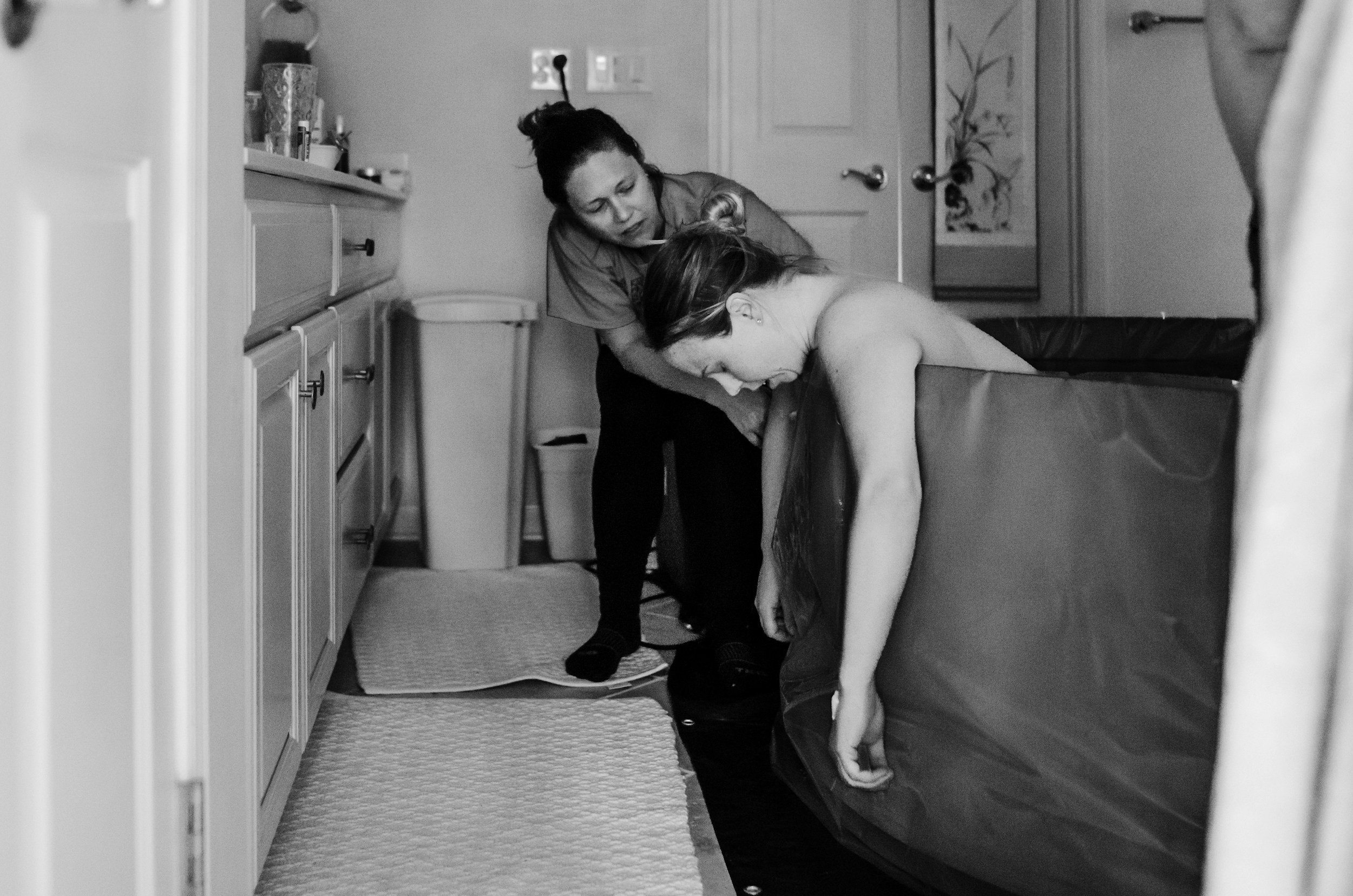
Planning a VBAC? You don’t have to do it alone.
I’m a Melbourne-based doula offering in-person and virtual support to help you feel confident and prepared for your birth. Get in touch today to chat about how I can support you on your VBAC journey.
